
Reviews
ID kit or a display stand
Shop notes, not star widgets. Identification happens at the table. Display happens after you already have a piece you mean to keep. Color is last. Webmineral lists quartz hardness as 7 and fluorite hardness as 4. Quartz scratches fluorite. GIA: most citrine is heated amethyst. A golden cluster at hardness 7 is still SiO2. USGS: obsidian is volcanic glass that cooled too fast to crystallize. Conchoidal fracture. A Mohs species number is the wrong first move on glass. Personal meaning is not a mineral fact. Jewelry, collecting, and display are uses after the name. Worked splits on the guide include a purple cube versus purple points, and a named quartz point on a stand.
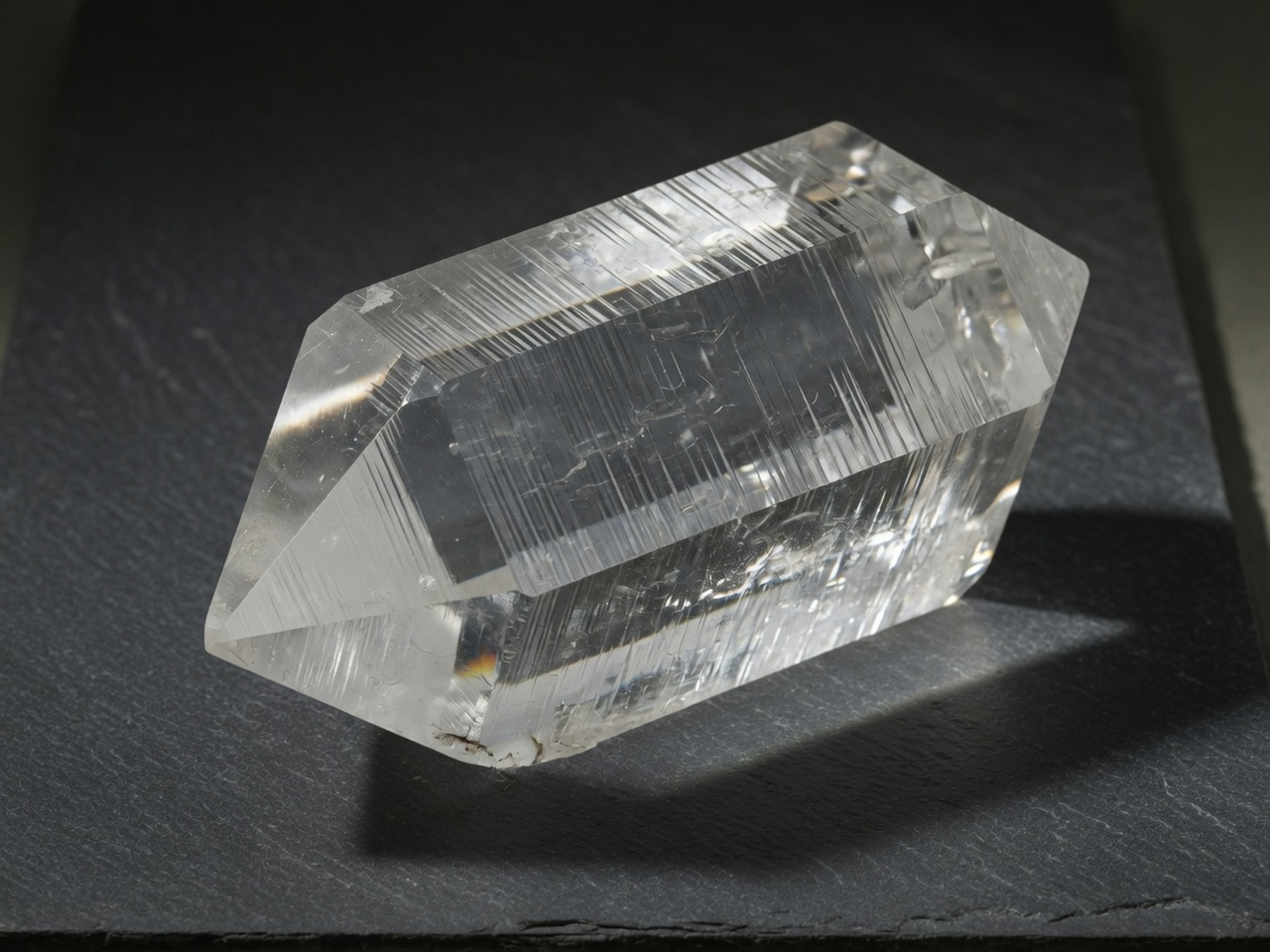
Identification
The specimen is still unnamed. Jeweler loupe plus a Mohs kit. 10x is the usual jeweler magnification. The Handbook of Mineralogy quartz PDF describes hexagonal prismatic crystals terminated by pyramidal faces. Fluorite is isometric. A loupe is how you confirm faces. Do not buy a Mohs kit to decorate a shelf. Habit, hardness, color last, then the species PDF.
A 10x triplet loupe to see striations and breaks. Get this. A Mohs kit. Color does not scratch. Get this.
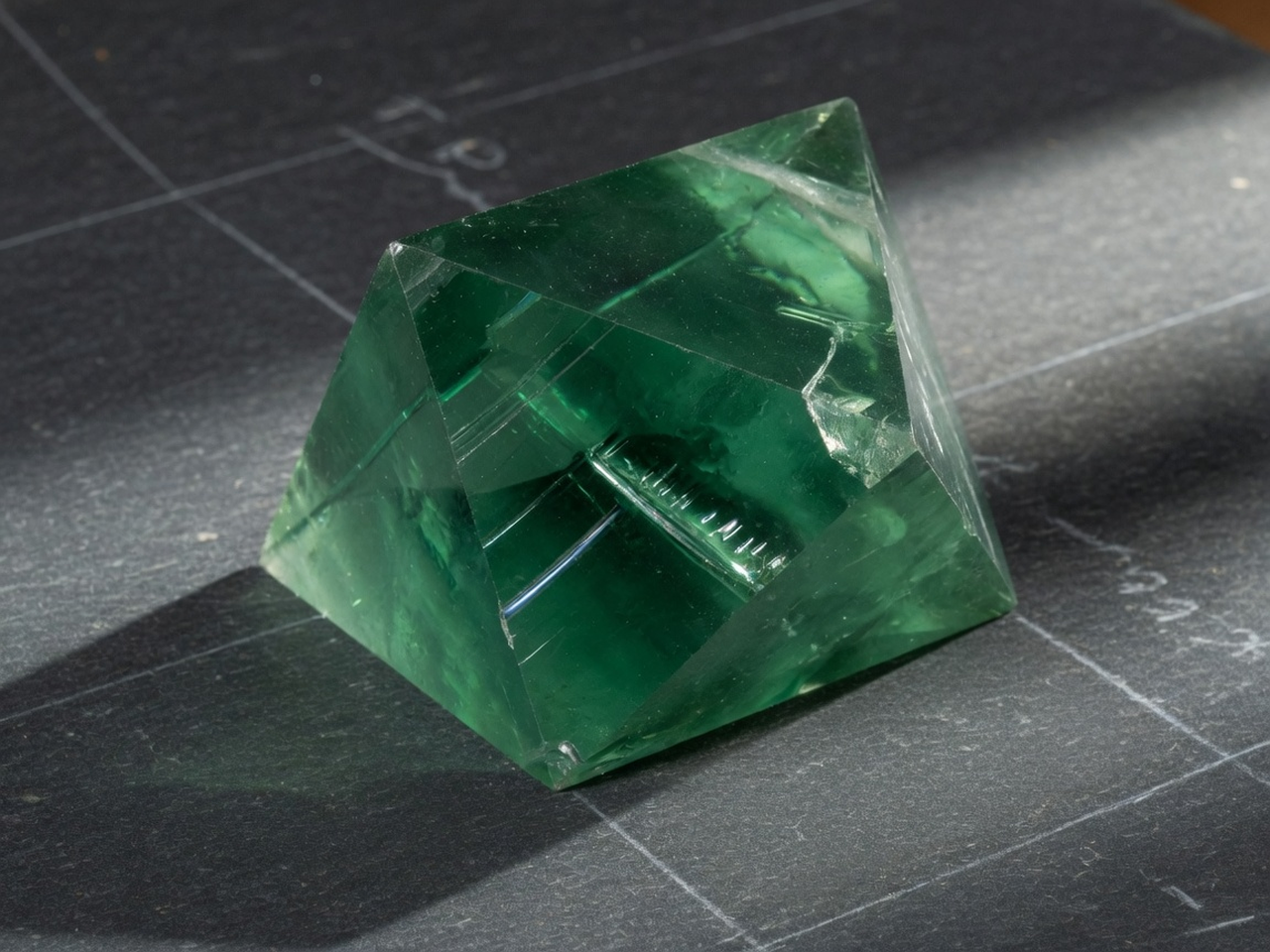
Display, after the name
Soft fluorite you already named belongs on a stand or in a labeled box. A stand holds a cube so it is not rattling in a drawer with quartz points. Another scratch test on the shelf is the wrong next move. A named quartz point on a stand is a display job. An unnamed purple cluster is still an identification job. Do not restage the whole Handbook on this page. Species pages live under Kinds. The full comparison lives on the ID kit versus display stand guide.
A stand after the species is written down. Get this. A labeled box so hardness grades stay apart. Get this.
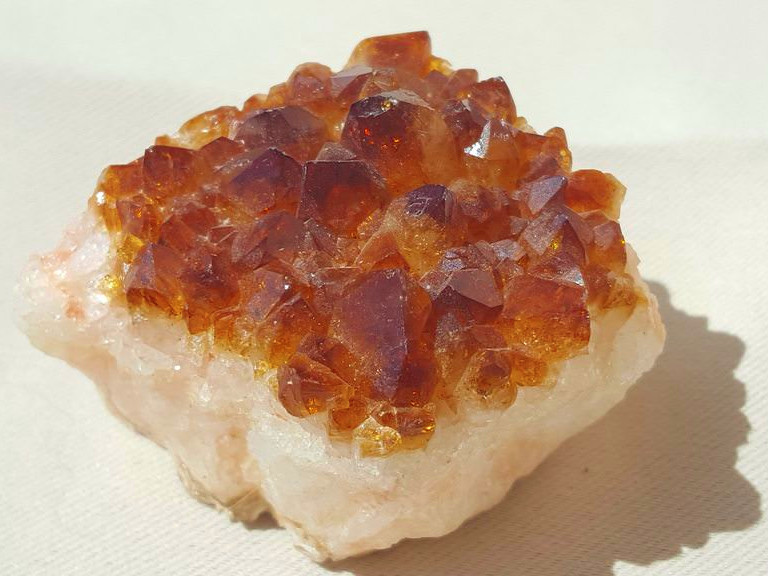
Compare: ID kit vs display stand. The longer split is the guide. Sets: Sets. Species pages: Kinds.